Managing business equipment and supplies effectively requires more than keeping track of what has been purchased. Businesses need practical systems for purchasing, maintenance, inventory control, repairs, and long-term planning. When these areas are handled together, owners and managers can make more informed decisions about what the business needs and when those resources should be replaced, repaired, or replenished.
Equipment management looks different depending on the type of work a business performs. Vehicles, communication systems, construction equipment, packaging machinery, and everyday supplies can all have different maintenance requirements and usage patterns. A structured approach helps businesses account for these differences while keeping operations organized.
Effective management also depends on understanding how different resources affect one another. Delayed supplies can slow production, poorly maintained equipment can interrupt projects, and unnecessary purchases can tie up funds that could be used elsewhere. By reviewing equipment usage, supply levels, maintenance schedules, and upcoming operational demands together, businesses can identify potential issues earlier and make more practical decisions about allocating resources.
Match Vehicle Purchases to Actual Business Needs

Business vehicles can represent a significant expense, so purchasing decisions should reflect how those vehicles will actually be used. Before making a purchase, consider the distance employees typically travel, the amount of equipment or materials they transport, expected mileage, and the types of roads or work environments involved. A vehicle that works well for one business may not provide the capacity or efficiency another business requires.
When considering used Toyotas or other previously owned vehicles, review the vehicle’s condition and available maintenance records rather than focusing only on its purchase price. A lower initial cost may not be beneficial if the vehicle requires frequent repairs or cannot meet operational demands.
Businesses can evaluate potential vehicles by reviewing:
- Maintenance and service history
- Mileage and expected annual use
- Cargo and towing requirements
- Fuel economy and operating costs
- Availability of replacement parts and service
Once vehicles are in use, keep records for inspections, repairs, mileage, and recurring maintenance. These records can help managers recognize when a vehicle is becoming more expensive to operate and support more informed replacement planning.
Include Business Assets in Long-Term Planning
Equipment and other physical assets should be considered as part of broader business planning rather than managed separately from the company’s long-term goals. Business owners may have vehicles, machinery, technology, property, inventory, and other valuable resources that require clear documentation and thoughtful planning as ownership or operational circumstances change.
Estate planning can provide a framework for addressing how certain assets may be handled in the future. Even when a business is operating normally, keeping asset ownership information and important documentation organized can make future transitions easier to manage. Business owners should periodically review whether major purchases, changes in ownership, or business expansion have affected their existing plans.
Useful records to maintain include:
- Ownership information for significant assets
- Purchase dates and original costs
- Loan or financing documentation
- Insurance and maintenance records
- Important contracts and agreements
A centralized recordkeeping system can also help authorized individuals understand what the business owns and what responsibilities are associated with those assets. Regular reviews are particularly important after major acquisitions or changes to the company’s structure.
Create a Reliable Process for Sourcing Small Components
Small components can have a disproportionate effect on productivity when they are needed unexpectedly and are not available. Businesses that regularly use fasteners, fittings, hardware, or similar supplies should establish an inventory system that identifies commonly used items and sets appropriate reorder points.
Working with fastener supply stores can be useful when a business needs consistent access to specific sizes, materials, or configurations. Instead of purchasing supplies only after a shortage occurs, managers can review historical usage and establish minimum quantities for frequently needed components.
A practical inventory system should identify:
- Frequently used sizes and specifications
- Minimum and maximum inventory levels
- Preferred suppliers for recurring purchases
- Typical delivery times
- Storage locations for individual items
Labeling storage areas clearly can make it easier for employees to locate supplies and recognize when stock is running low. Businesses should also review inventory periodically to identify items that have become obsolete or are rarely used. This prevents storage space from being consumed by supplies that no longer contribute to current operations.
Improve Packaging Efficiency With the Right Equipment

Packaging operations can become inefficient when employees spend excessive time measuring, cutting, assembling, or preparing boxes manually. Businesses with significant packaging requirements should evaluate the amount of labor involved and determine whether specialized equipment could improve consistency and production speed.
A box making machine may be appropriate when a business regularly produces boxes in varying sizes or needs packaging materials prepared quickly. Before purchasing equipment, managers should consider production volume, available floor space, operator requirements, maintenance needs, and compatibility with existing processes.
Important factors to evaluate include:
- Typical daily and weekly packaging volume
- Box sizes and material requirements
- Available workspace
- Employee training requirements
- Maintenance and service needs
Businesses should also document operating procedures before equipment is placed into regular use. Employees should understand how to operate the machinery safely, identify potential problems, and report maintenance concerns. Reviewing production data after installation can help managers determine whether the equipment is delivering the expected operational benefits and whether additional process adjustments are necessary.
Plan Communication Technology Around Operational Demands
Communication infrastructure can become increasingly important as businesses expand across multiple locations, facilities, or work areas. Managers should understand how information moves throughout the organization and identify limitations that could interfere with communication, data transmission, or coordination between departments.
When reviewing fiber multiplexers for sale, businesses should first determine whether the technology is compatible with their existing infrastructure and whether it meets current capacity requirements. Purchasing advanced equipment without considering compatibility can create additional installation or integration challenges.
Before upgrading communication infrastructure, evaluate:
- Existing network capabilities
- Current and projected data requirements
- Compatibility with other equipment
- Installation and maintenance needs
- Potential future expansion
Technical documentation should be kept in an organized location so employees and service providers can understand the configuration of the system. Businesses should also document equipment locations, specifications, and relevant maintenance information. Taking these steps can make future troubleshooting and upgrades more manageable while helping managers connect technology investments to actual operational requirements.
Keep Essential Communication Equipment Operational
Communication equipment can be particularly important for businesses where employees work across large properties, construction sites, warehouses, or multiple operational areas. A damaged or unreliable device can make coordination more difficult, especially when employees depend on immediate communication to complete routine tasks.
A consistent maintenance process can reduce avoidable interruptions. When two way radio repair is needed, businesses should have a clear process for reporting damaged equipment, identifying the problem, and determining whether the device should be repaired or replaced. Waiting until a critical communication device completely fails can create unnecessary operational challenges.
Businesses should maintain procedures for:
- Inspecting radios and accessories regularly
- Reporting damaged equipment promptly
- Tracking recurring equipment problems
- Maintaining spare communication devices
- Documenting repairs and replacements
Employees should also know how to handle equipment responsibly and recognize common signs of damage. Keeping repair histories allows managers to identify devices that repeatedly require attention. If certain equipment becomes consistently unreliable, replacement may need to be considered as part of broader resource planning.
Plan Heavy Equipment Around Project Requirements
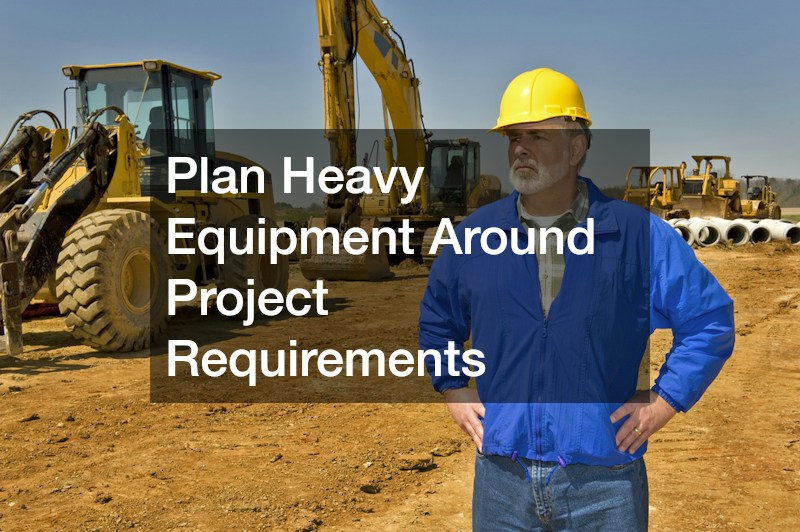
Heavy equipment should be selected according to the work it needs to perform rather than simply based on availability or general capability. Businesses should consider project size, site access, operating conditions, transportation requirements, and the specific tasks employees need to complete.
For projects involving excavation or similar work, mini excavators can provide useful capabilities in areas where larger machinery may have difficulty operating. Managers should evaluate the equipment’s size, attachments, operating requirements, and transportation needs before assigning it to a project.
Before equipment is placed on a job site, review:
- Site access and working space
- Required digging or lifting capabilities
- Attachment requirements
- Transportation arrangements
- Inspection and maintenance needs
Pre-use inspections should be incorporated into normal operating procedures. Employees can check for visible damage, fluid leaks, worn components, and other issues before beginning work. Usage records can also help businesses determine how frequently equipment is needed. If certain machinery is rarely used, temporary access may be more practical than maintaining another permanent asset.
Address Equipment Wear Before It Causes Downtime
Maintenance planning should focus on components that experience frequent movement, pressure, friction, heat, or other forms of operational stress. Small failures can sometimes interrupt an entire project, particularly when the affected component is essential to a larger piece of equipment.
Hydraulic hose repair should be addressed promptly when hoses show signs of damage, leakage, deterioration, or other performance problems. Employees who operate hydraulic equipment should know what warning signs to report and understand that damaged components should not simply be ignored until a larger failure occurs.
A useful inspection process can include:
- Checking hoses for visible wear or damage
- Looking for leaks around fittings and connections
- Recording recurring failures
- Reviewing replacement intervals
- Removing seriously damaged equipment from service
Maintenance records can reveal patterns that may otherwise be overlooked. For example, repeated failures in the same location may indicate an underlying issue with equipment operation, routing, installation, or environmental conditions. Reviewing these patterns can help managers address recurring problems instead of treating every repair as an isolated event.
Use Temporary Equipment Without Overextending Resources
Not every piece of equipment needs to be owned permanently. Businesses with occasional project requirements can compare the costs and responsibilities of purchasing an asset with the flexibility provided by temporary access.
Equipment rental can be useful when a business needs specialized machinery for a limited period, particularly when purchasing the equipment would leave an expensive asset sitting unused between projects. Managers should consider more than the advertised rental rate when comparing options.
A complete evaluation should account for:
- Rental duration
- Delivery and pickup costs
- Transportation requirements
- Operator needs
- Fuel and operating expenses
- Insurance or other applicable requirements
Businesses should also coordinate rental schedules with project timelines. Receiving equipment too early can create unnecessary storage or additional costs, while receiving it too late can delay work. After completing a project, record the rental expense and duration. Reviewing these records over time can show whether certain equipment is being rented frequently enough to justify purchasing it in the future.
Organize Material Purchasing Around Project Requirements

Material purchasing becomes easier to manage when businesses connect orders directly to project schedules and expected usage. Instead of ordering large quantities without a clear plan, managers can establish purchasing procedures that account for specifications, quantities, storage capacity, delivery timing, and anticipated demand.
The term building material can cover a wide range of products, so purchasing decisions should be based on the requirements of each specific project. Managers should confirm dimensions, compatibility, durability, and quantity before placing orders. This can reduce the likelihood of receiving materials that cannot be used as intended.
Businesses can improve purchasing control by:
- Creating standardized project material lists
- Reviewing inventory before placing new orders
- Coordinating deliveries with project schedules
- Tracking frequently over- or under-ordered materials
- Recording supplier and purchasing information
Storage conditions should also be considered. Some materials may require protection from moisture, temperature changes, impact, or other environmental conditions. Keeping purchasing and inventory records together gives managers a clearer view of consumption patterns and can improve future budgeting and ordering decisions.
Managing business equipment and supplies effectively requires an organized approach that connects purchasing, maintenance, inventory control, communication, and long-term planning. Businesses can improve their resource management by documenting what they own, monitoring how equipment is used, and establishing clear procedures for repairs and replenishment.
Regular reviews are particularly useful because operational needs can change as projects, staffing, technology, and business activity evolve. A vehicle that once met the company’s needs may eventually require replacement, while equipment that was previously rented may become practical to purchase after demand increases. Likewise, recurring supply shortages or maintenance problems can reveal opportunities to improve existing processes.
By treating equipment and supplies as interconnected business resources, managers can make more deliberate decisions about spending, maintenance, and future operational requirements. A consistent approach can also help businesses respond more effectively when their needs change, allowing equipment and supply decisions to support both current operations and future growth.