Before embarking on a project that requires a forklift, it’s crucial to assess your specific needs. Consider the size and weight of the materials you intend to move, as forklifts come with various weight limits and lift heights. Understanding these factors will help you choose the most suitable forklift model for your project.
Additionally, think about the environment in which the forklift will operate. Different settings, such as indoor warehouses or outdoor construction sites, may require different types of forklifts tailored for optimal performance.
Forklifts are indispensable tools in a range of industries, playing a critical role in material handling and logistics. Whether you are working in construction, warehousing, or manufacturing, the right forklift can streamline your operations. It’s essential to conduct a thorough analysis of the job requirements to ensure efficiency and safety. Utilizing the correct forklift not only enhances productivity but also minimizes the risk of accidents and equipment damage. Therefore, exploring your forklift options prematurely will save both time and potential costs in the long run.
Understanding the specifications and capabilities of forklifts is fundamental to making an informed decision. Modern forklifts come equipped with various features designed to enhance functionality and usability in different environments. When determining your needs, consider additional specifications such as fuel type, maneuverability, and ease of maintenance. A clear comprehension of these factors will guide you in choosing a cost-effective and efficient solution for your project. By doing so, you ensure that your material handling tasks are complete in a timely and safe manner.
Evaluating Forklift Rental Versus Purchase
One of the significant decisions is to determine whether renting or purchasing a forklift is more beneficial for your project. Renting a forklift can be a cost-effective option for short-term projects or sporadic use, as it allows you to access the needed equipment without a substantial upfront investment. On the other hand, purchasing a forklift could be a wise investment for long-term projects that require frequent and consistent use of the equipment. Evaluate the duration and frequency of your project’s forklift needs to decide the best course of action.
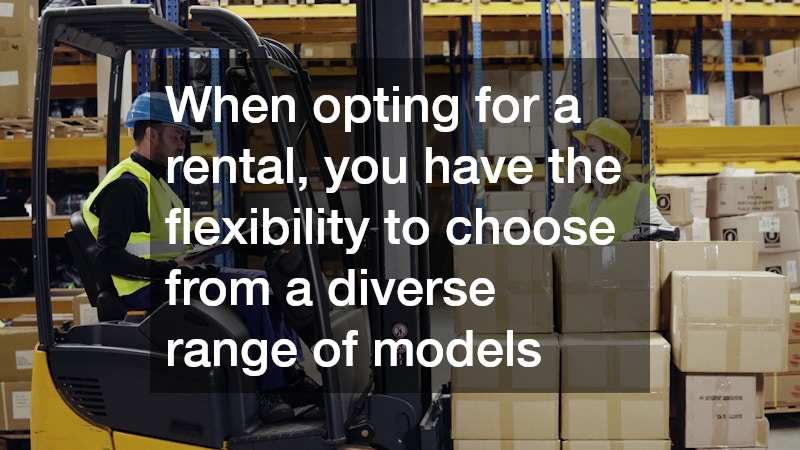
When opting for a rental, you have the flexibility to choose from a diverse range of models, ensuring that you get the most suitable forklift for the task at hand. Rental agreements often include maintenance services, which means you don’t have to worry about repair costs or downtime. Moreover, renting can be advantageous when testing different forklift models to determine which one would best fit your operational needs. This method gives you the opportunity to evaluate performance in a real-world setting before making a commitment to purchase.
Conversely, purchasing a forklift presents long-term benefits such as equity in the asset and the ability to tailor the equipment to your specific requirements. Owning a forklift eliminates rental fees and allows greater control over maintenance schedules and costs. With the right care and routine maintenance, a purchased forklift can provide reliable service over many years. Additionally, having a forklift on-site can enhance operational flexibility and readiness, especially in industries requiring constant material handling. Ultimately, the decision should be based on a thorough analysis of current and future project demands.
Finding a Reliable Forklift Supplier
Once you’ve decided whether to rent or purchase, the next step is finding a reliable supplier that can meet your specific forklift needs. Start by researching suppliers with a proven track record of reliability and customer satisfaction in the material handling industry. Look for suppliers that offer a comprehensive range of forklift models to choose from, which indicates their ability to cater to diverse requirements. In addition, prioritize suppliers that provide excellent customer service and after-sales support to ensure timely assistance and guidance.
Ensure the supplier conducts thorough maintenance and quality checks on their forklifts to guarantee optimum functioning and safety. Professional suppliers offer comprehensive documentation and training resources to help you and your team understand the proper handling and operation of the forklifts. This knowledge is essential in minimizing risks and increasing efficiency. Furthermore, assess the flexibility of the supplier in terms of delivery schedules and support in the event of urgent project needs. A supplier capable of accommodating such requirements demonstrates a commitment to your project’s success.
Take advantage of supplier reviews and references to gauge their reputation and service quality. Engaging with a supplier’s past clients can provide insights into their reliability and effectiveness. Transparent communication and flexible payment options are also key considerations in the selection process. By choosing a reputable supplier, you can ensure that your project benefits from the most suitable forklift equipment, enhancing both performance and safety. Partnering with the right supplier will undoubtedly contribute to the overall success of your material handling endeavor.