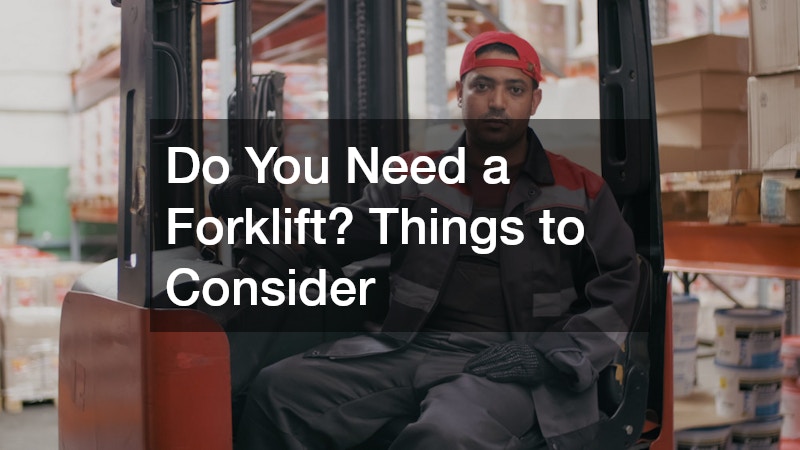
In the world of logistics and material handling, forklifts play a crucial role. They are indispensable tools for transporting heavy loads swiftly and safely within warehouses and other facilities. However, deciding whether or not your business needs a forklift can depend on several factors.
The initial investment, ongoing costs, and specific application requirements are all critical considerations. This article will explore important considerations to help you make an informed decision and ensure that your investment aligns with your business needs.
What Are the Operational Requirements for a Forklift?
Understanding the specifics of your operational needs is the first step in determining whether a forklift is necessary for your business. To begin with, assess the types and frequency of materials moved in your facility. This involves not just the weight but also the dimensions and nature of the materials—are they bulky, delicate, or irregularly shaped? Furthermore, consider the layout of your work environment; a facility with narrow aisles may require specialized forklifts to maneuver effectively. Finally, consider the operational environment, whether indoors or outdoors, as certain forklifts are better suited for rough terrains or enclosed spaces.
In addition to the type of materials and environment, the volume of work could also necessitate the use of a forklift. High-frequency load movements with tight schedules can justify a dedicated forklift in your operations. Operational timing is another factor; if your business operates around the clock, the need for reliability and spare equipment may grow. Additionally, the skill level of your workforce influences the model of forklift; more advanced machinery may require operators with specific certifications. By thoroughly analyzing these operational requirements, you can better determine the necessity and specifications of the forklift that best fits your business.
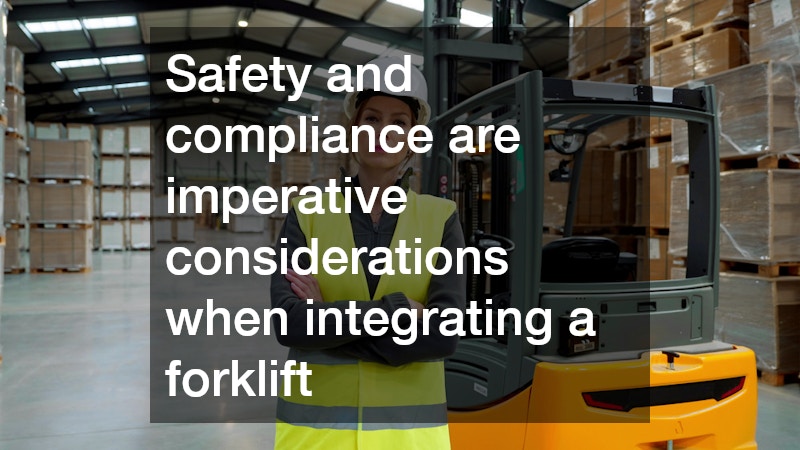
Moreover, safety and compliance are imperative considerations when integrating a forklift into your operations. Ensuring that the forklift meets safety standards and adheres to local regulations will protect your business from potential liabilities. Regular training and certifications for operators ensure that forklifts are used safely and efficiently. Implementing these considerations not only aids in decision-making but also reflects responsible business practices. Evaluating the full scope of operational requirements can help avoid unnecessary expenses and find a cost-effective solution that complements your business’s operational strategies.
What Are the Different Types of Forklifts Available?
There are several types of forklifts available, each designed for particular applications. The most common type is the counterbalance forklift, which is highly versatile and suitable for a variety of indoor and outdoor tasks. Reach forklifts are specifically designed for narrow aisles and tight spaces, making them ideal for warehouses with high racking systems. For rough terrain or construction sites, rough-terrain forklifts are crafted to handle uneven ground with stability and can carry heavier objects. Additionally, there are pallet jacks and stackers for smaller loads, which can be manual or electric and are suited for moving loads in restricted spaces.
Electric forklifts are gaining popularity due to their environmental benefits and lower operational costs. They are perfect for indoor use due to zero emissions and reduced noise levels. These forklifts often come with advanced technology features, providing high efficiency and control for operators. Conversely, internal combustion engine forklifts offer higher power and are suitable for outdoor use when dealing with heavy or bulky materials. As the industry evolves, hybrid models and emerging technologies are also becoming viable options, offering a balance between power and sustainability.
Understanding the specific types available aids in the selection of the right forklift to meet your needs effectively. It’s important to match the forklift capabilities with your operational requirements and constraints. Consider factors such as lifting capacity, height reach, and maneuverability when choosing a model. Testing different models and consulting with a knowledgeable vendor can provide insights into suitable options for your facility. The type of forklift selected should not only meet immediate needs but also offer flexibility for future growth or changes in operations.
How Do You Calculate the Cost-Benefit of Leasing vs. Buying a Forklift?
Deciding between leasing and buying involves evaluating the financial implications for your business. Purchasing a forklift requires a higher initial investment but provides full ownership and long-term financial benefits once the equipment is paid off. Buying is a great option if you intend to use the forklift intensively over many years. On the other hand, leasing can offer more flexibility with lower upfront costs and predictable monthly expenses, which is beneficial for businesses needing the equipment for a limited period or wanting to avoid depreciation concerns. Both options have their pros and cons, which should be carefully weighed against the specific financial situation of your business.
After examining these considerations—operational requirements, types of forklifts available, and financial options—you should be better equipped to decide if a forklift is a wise investment for your business. Whether it’s enhancing efficiency or meeting specific material handling needs, understanding these key aspects is essential in making the right decision. Making an informed decision requires evaluating operational needs meticulously, understanding the benefits and limitations of different forklift types, and financial forecasting. By incorporating these factors into your analysis, you align your logistics operations with overall business objectives. Investing in the right equipment can significantly enhance productivity, safety, and profitability, ultimately contributing to a competitive edge in the market.